
Farm management software for berry growers | Agrogestia
Why berry growers need specialised management software
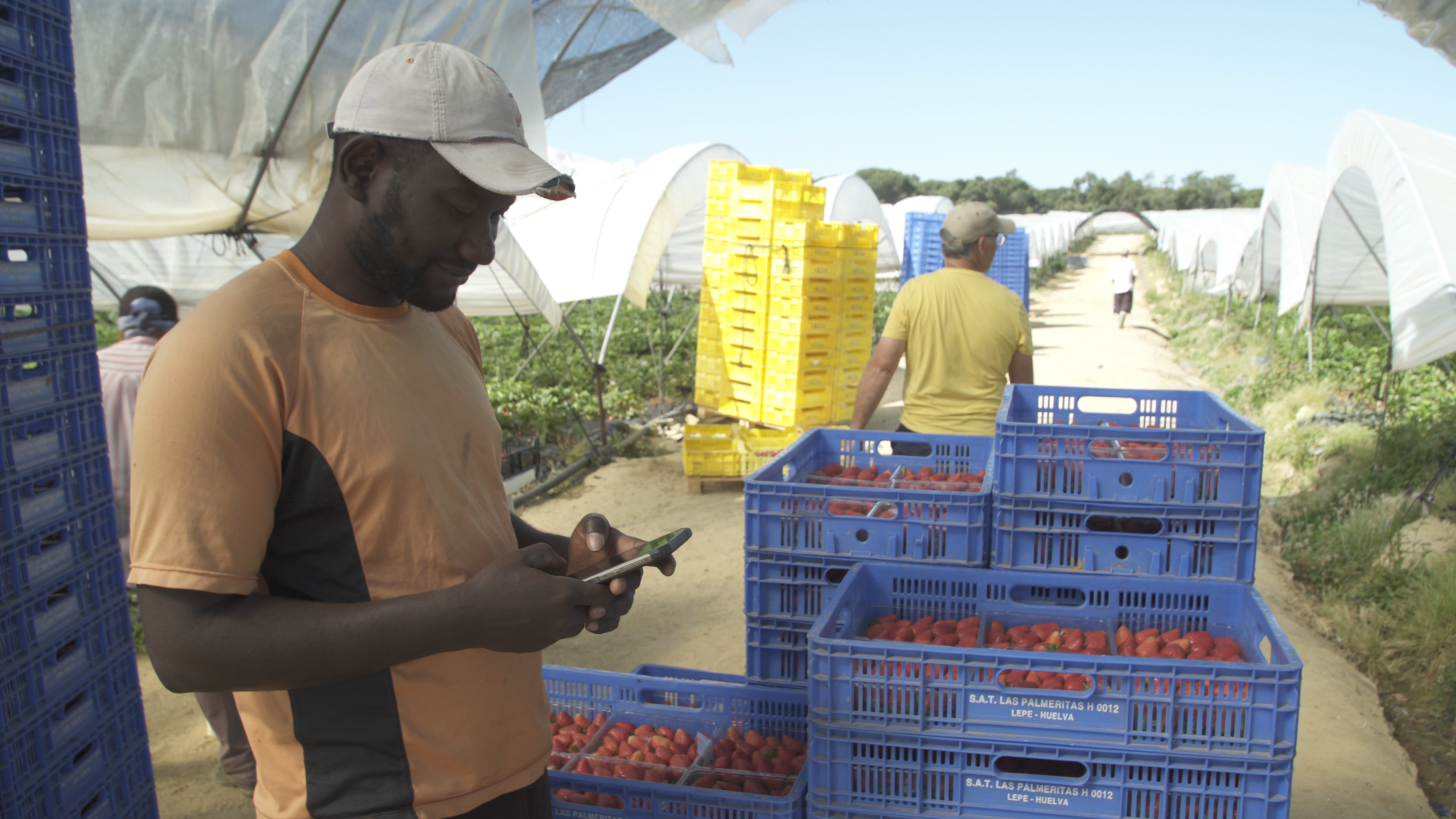
A berry farm in full campaign looks more like a logistics operation than a traditional agricultural business. Hundreds of workers coming in and out every day, daily picking that stretches over months, frequent treatments, and a product that doesn’t wait.
Managing all of this through spreadsheets, paper records or software designed for a different type of business has a cost. It is not always reflected in the annual results, but it appears in the form of administrative hours, payroll errors, delayed data and decisions taken without sufficient information.
This is no longer a local challenge. From Huelva to Alentejo, from Morocco to Peru and Mexico, from Romania to Georgia, the main berry-producing regions are expanding under the same intensive model and supplying the same demanding customers. In this article we explain why strawberry, blueberry, raspberry and blackberry growers require farm management software adapted to their specific operational reality — and why Agrogestia, founded in Huelva, has a direct understanding of that reality.
A global market in constant growth
Berries are experiencing an unprecedented expansion. In blueberries alone, global production reached approximately 2.33 million tonnes in 2025, 11 % more than the previous year, and is expected to reach around 3.4 million tonnes by 2029. The cultivated area now exceeds 300,000 hectares, more than double the figure from a decade ago.
Spain remains the leading European reference. In 2025 it exported 426,527 tonnes of berries worth 2.114 billion euros, making it the main supplier within the EU with a 34 % market share, while Huelva accounts for close to 90 % of the national cultivated area.
The map, however, is expanding rapidly:
Africa is also entering the map, with new origins such as South Africa and Zimbabwe, which take advantage of counter-seasonal harvest windows.
All of these regions share the same operational model: intensive cultivation, often under macro-tunnel; several species and varieties within the same company; long campaigns with significant work peaks; and customers (large retail chains across Europe, North America and Asia) who demand consistent quality. With so many origins competing for the same commercial windows, the key differentiators are increasingly yield, quality and the control of costs and labour.
The challenges that make a berry operation different
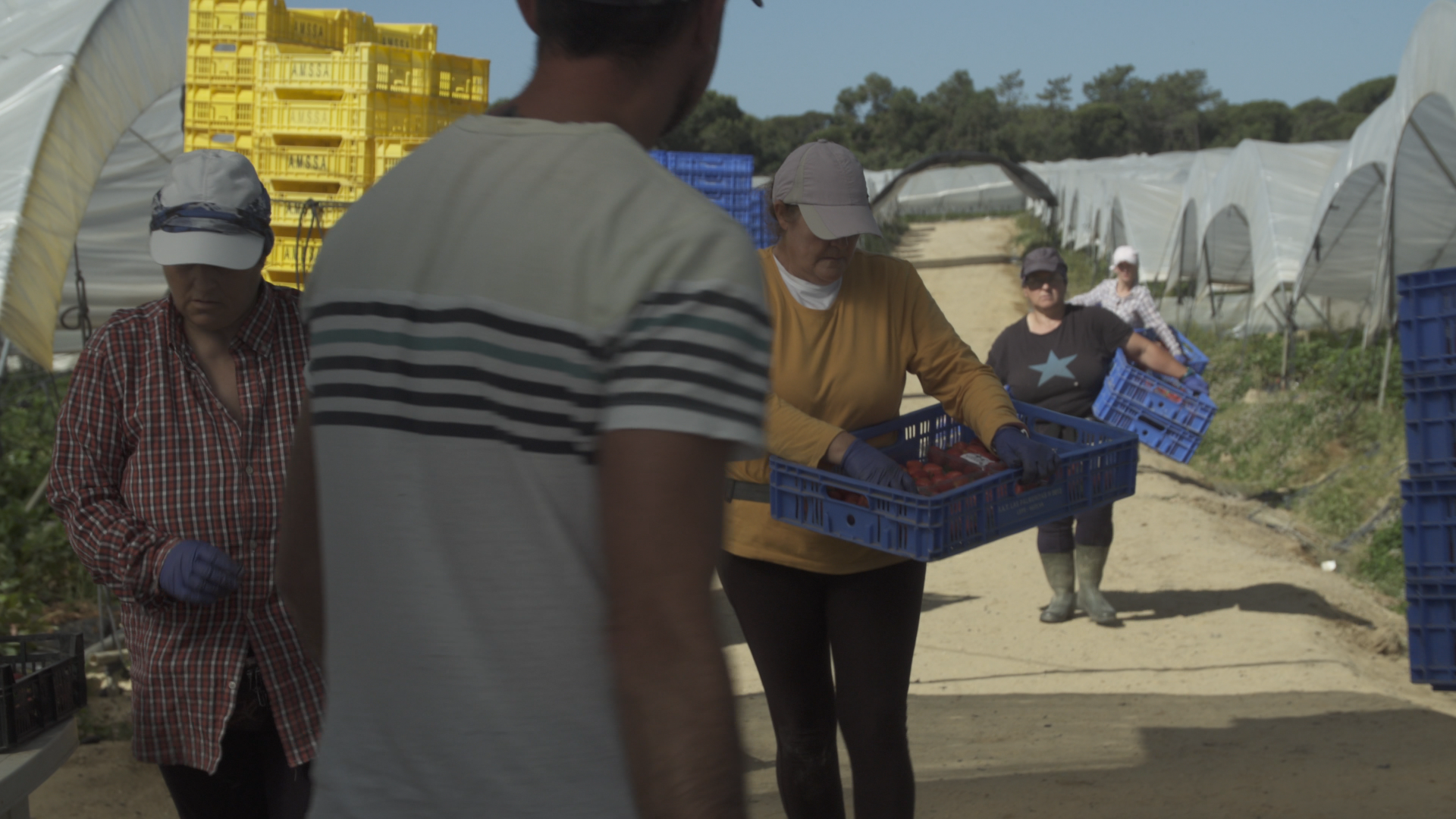
1. Large, temporary and highly dynamic workforces. In Huelva, each berry campaign provides work to around 100,000 people, of whom more than 21,000 arrived in 2026 through origin-country recruitment programmes. In Portugal, berries now generate over 17,000 direct full-time jobs. Constant movement of staff, crews that move between farms, several languages and shifts that change every day: recording all of this manually is a constant source of errors, in any country.
2. Picking is daily, and it is paid, measured and planned by kilos and hours. Knowing the performance of each crew or each worker, in which plot and with which variety, is the basis for organising work, calculating incentives and forecasting the volume that will arrive at the warehouse.
3. Actual costs must be known by plot, crop and variety. With tight margins and prices that shift from week to week, a company-wide average is not sufficient to decide which variety to maintain or which farm requires changes.
4. Real-time decisions. With daily picking and sale prices that fluctuate significantly throughout the campaign, every day counts: how many workers to send to each farm, which plot to harvest first, when to reinforce or slow down operations. These decisions are only effective when they are based on current data, not on reports that arrive once the opportunity has passed. For this reason, it is essential that the system allows real-time monitoring of kilos, hours and costs for each farm.
5. Fields with no mobile signal. Many farms are in areas where there is no mobile signal at all. A tool that only works online means going back to paper precisely in the places where it matters most.
6. Machinery, inventory and expiry dates. Tractors, sprayers, irrigation heads, plant protection products and fertilisers: everything has reviews, inspections and dates that cannot be missed in the middle of the campaign.
Why generic software — or even non-specialised agricultural software — is not sufficient
Many companies begin their digital transition with the tools they already have available: an accounting ERP, an office time-tracking app, or a simple spreadsheet. Others opt for a more advanced option and choose a general-purpose agricultural software. Both options are valid for the purpose they were designed for, but not for a berry campaign.
- They are designed for other crops. Many agricultural programmes were created for extensive crops or tree crops such as olives, citrus or almonds, with few operations per year and small workforces. They do not account for daily picking over several months, kilo-based tracking, or the constant rotation of crews between farms.
- They do not include the specific needs of berries. They do not include concepts such as crews, kilos per worker, plots, varieties or campaigns. All of this information is recorded in free-text fields or in parallel spreadsheets.
- They generate data silos. Time tracking is managed separately from picking, and both are separate from costs. Combining this information to determine the cost of a kilo of strawberry in a specific plot requires manual processing at the end of each month.
- They are not designed for use in the field. Complex screens, dependence on an active connection, and processes that the supervisor cannot complete on a mobile phone between rows of macro-tunnel.
- They do not scale with the campaign. Expanding from a minimal workforce in summer to several hundred workers in spring requires bulk registration, efficient attendance tracking and direct export to payroll.
The result is usually the same: the company pays for software, but continues to depend on paper and Excel for what truly matters.
Agrogestia: founded in Huelva, designed for large growers worldwide
Agrogestia emerged from within the berry sector itself. We were founded in Huelva, the province that concentrates almost all berry production in Spain, and we have grown by working closely with some of its largest producers.
This is reflected in how the platform is built:
- Human Resources designed for campaigns. Time and attendance control by crew and farm, prepared for workforces of hundreds of workers and with direct export to payroll software.
- Picking with real productivity data. Kilos per crew or per worker, per plot and per day, to organise the work and calculate incentives based on reliable data.
- Real-time data. Kilos, hours and costs of each farm visible at any moment, from the office or a mobile phone, to adjust picking and labour on a daily basis according to the evolution of the campaign and prices.
- Cost control by farm, plot or crop. Labour, inputs and machinery allocated where they are generated, to identify what is profitable and what is not.
- Works without coverage. The mobile apps record the data in the field and synchronise them when the signal is restored.
- All connected. Inventory, machinery, sales, sustainability and analytics on a single platform, with data auditing to prevent errors before they reach payroll or reports.
However, technology is only one component. What differentiates us is a direct understanding of the requirements of large growers: origin-country recruitment, several farms and species managed within the same company, and campaign peaks that do not allow for errors. This is why some of the main berry growers already manage their operations with Agrogestia.
Huelva is probably the most demanding testing ground in the world for berry software: volume, diversity of crops and top-tier customers concentrated within a single territory. What works here is prepared to work in any producing region. For this reason, we also support companies that operate in other countries or that have expanded their farms to new origins, as well as growers in emerging markets who want to professionalise their management from the first day.
Furthermore, we do not leave anyone alone with the software: we support each company during implementation, adapting the tool to their way of working and training both the office and field teams.
Checklist: key features to require in berry management software
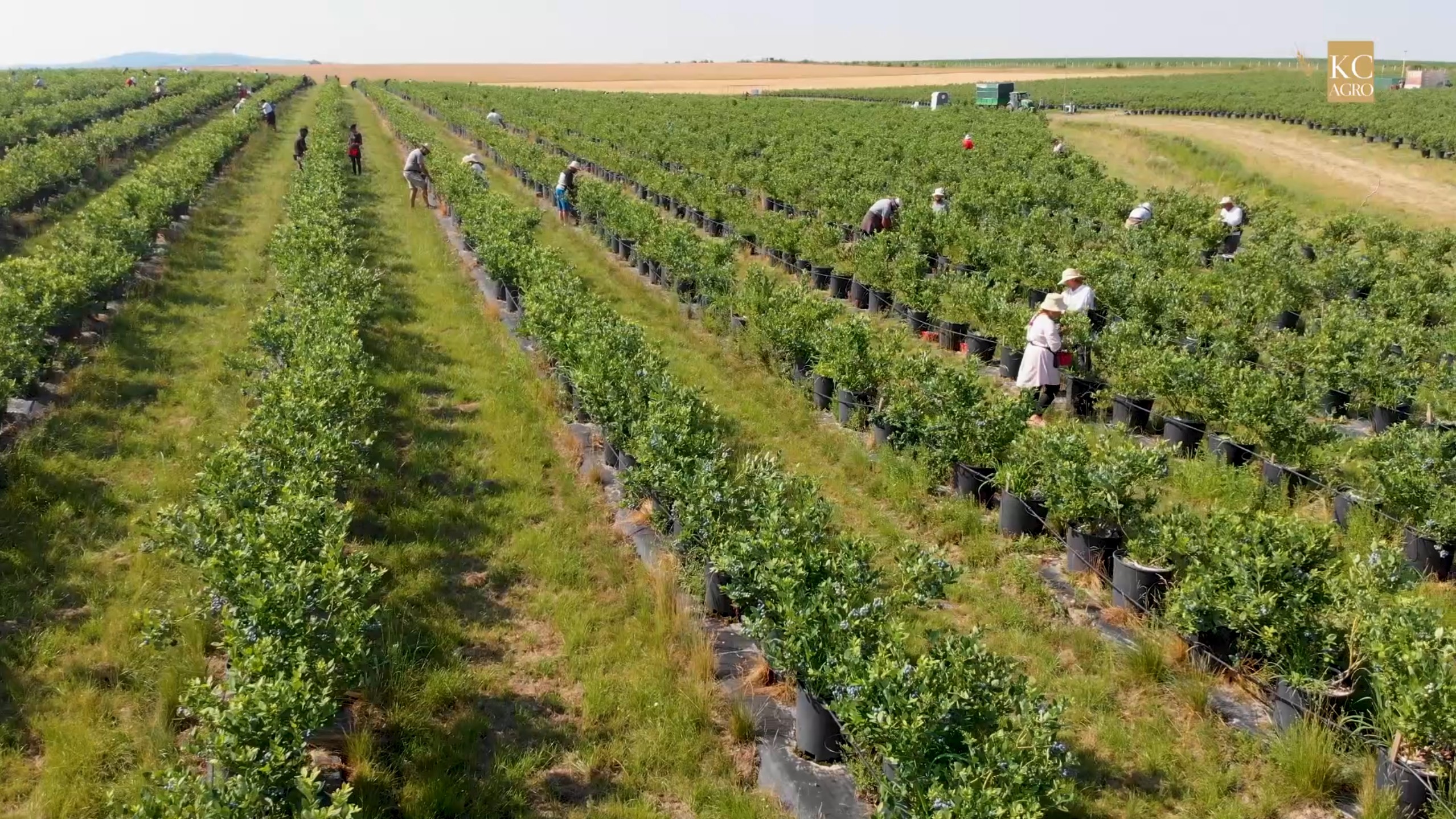
If you are considering digitalising your operation, these are the key questions to ask any provider:
- Does it allow registration of workdays and picking by crew, worker, plot and variety?
- Does it work in the field without a connection and from the supervisor’s mobile phone?
- Does it export workday data directly to my payroll software?
- Does it calculate the cost by farm, plot or crop without manual work?
- Can I consult kilos, hours and costs in real time to make daily decisions?
- Does it have real experience with berry growers of my size?
- Who supports me during implementation and in the middle of the campaign?
If the answer to several of these questions is “no” or “it depends”, you are probably looking at a generic tool or one not adapted to berries.
Conclusion: the campaign does not wait — and neither can your data
Berry growers compete in an increasingly global market, with new origins gaining ground every year, tight margins, large workforces and highly demanding customers. In this context, digitalisation is not a matter of modernity: it is the way to know how much each kilo costs, to anticipate problems and to free teams from hours of administrative work.
The key is to choose a tool that understands how a berry campaign works. We built ours in Huelva, together with those who experience it every year, and we offer it to berry growers wherever they are.
Would you like to see how Agrogestia would work in your operation? Request a free demo and we will show it to you with real cases from the sector.
Other similar items
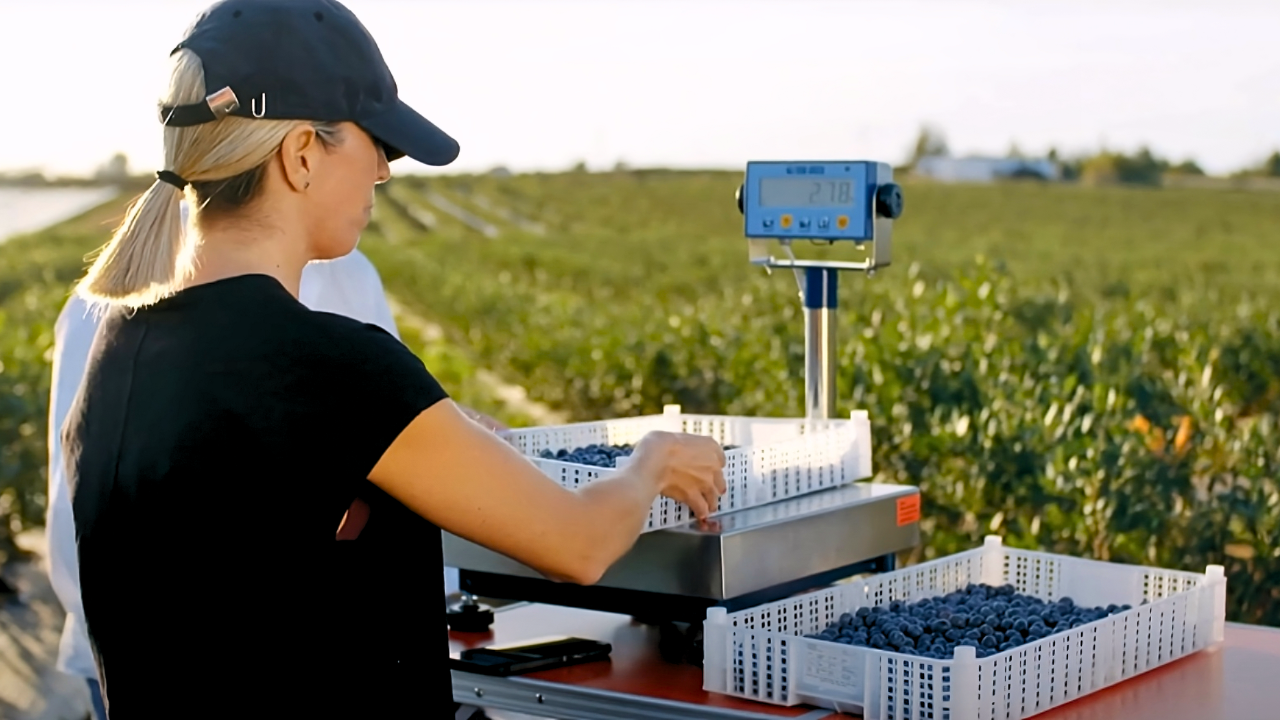
Real-time productivity monitoring: The data berry growers need to make decisions during the workday
Coste por kilo, cuadrillas activas, desviación respecto a la referencia: cómo un productor de arándano tomó una decisión en plena jornada gracias a tener el dato en el momento.