
From paper to real-time data: how agricultural companies are changing the way they manage their farms
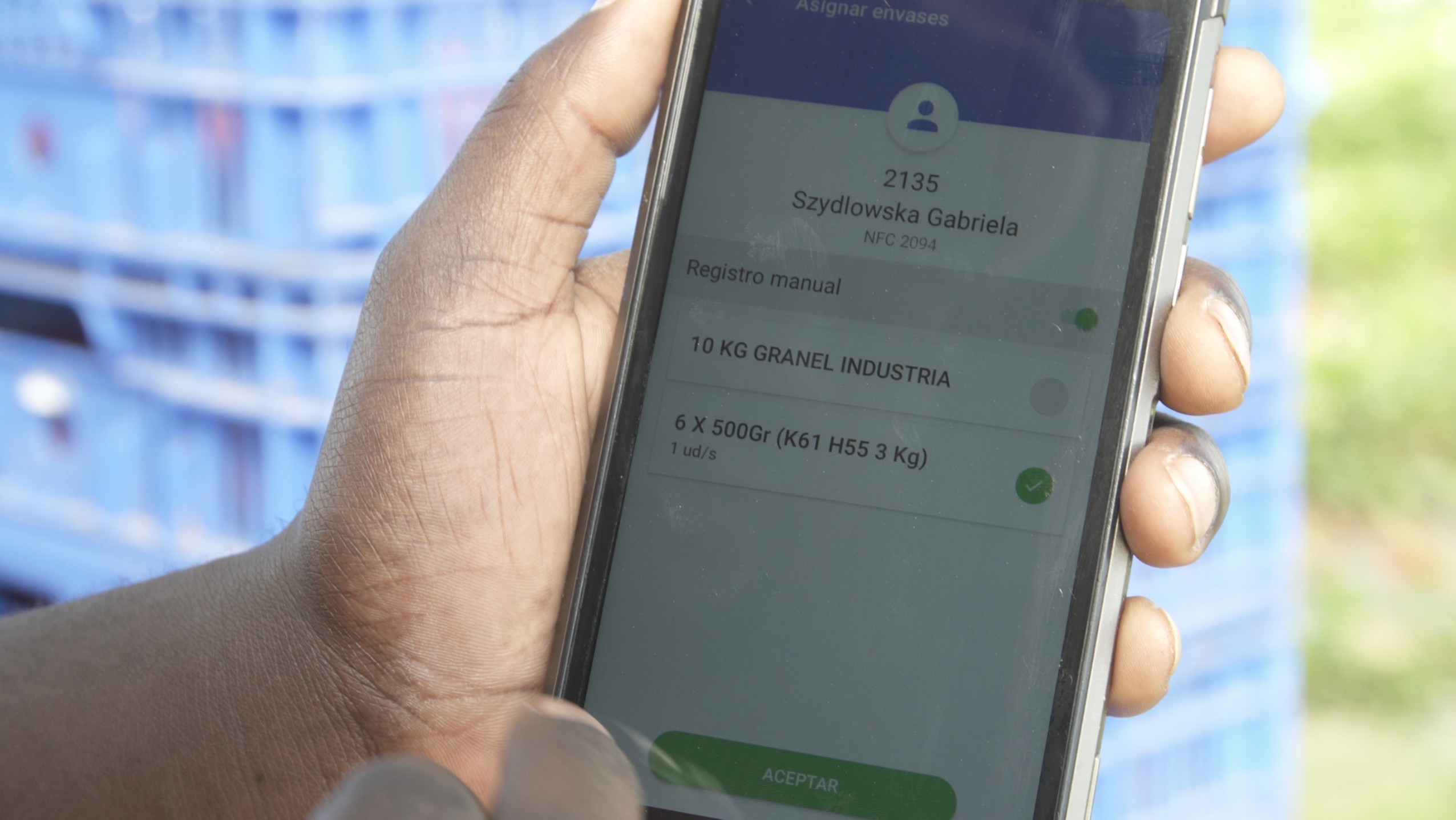
Each campaign repeats the same scene on hundreds of farms: a manager writes down the hours of his crew on a piece of paper, delivers it at the end of the day and someone in the office transfers that data to a spreadsheet. Days later, that information is copied back — by hand — into the payroll software. In the process, hours are wasted, mistakes happen and decisions come too late.
The curious thing is that most of these companies already know that this agricultural management model doesn't work. What many are still not clear about is how much it is actually costing them to maintain it.
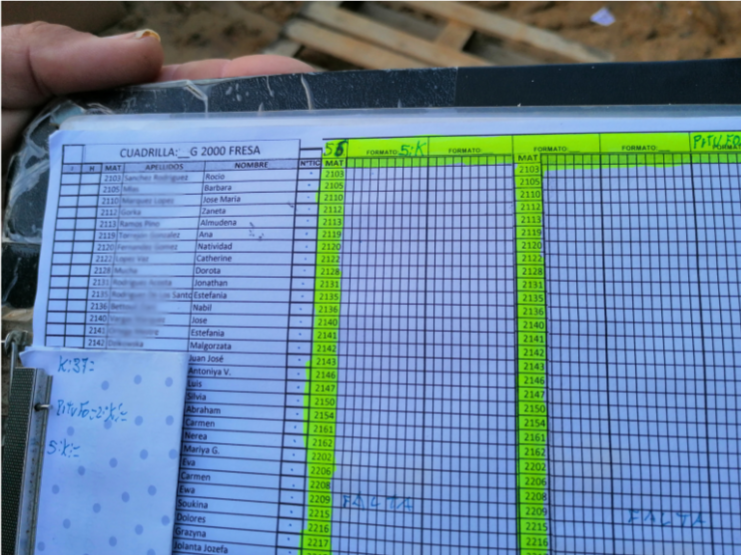
The cost that grows with every season
When a farm is small, paper parts and spreadsheets can work acceptably. The problem appears when the company grows: more hectares, more farms, more temporary workers, more crops. The tools used to manage 50 employees collapse when it is necessary to coordinate the management of working hours, the control of attendance and the agricultural productivity of 500 or 1,500 people.
The consequences are predictable and yet, many companies assume them as an inevitable part of the business: frequent errors in payroll that require us to dedicate entire days to revisions, harvest data that arrives too late to react, no clear picture of production costs by farm or plot, compliance risks with digital field records, and agricultural cost control that is based more on estimates than on real data.
One berry producer with over 700 hectares and 1,700 workers during harvest measured what this model was costing them: more than 600 hours a month spent on manual administrative tasks, recurring payroll errors, and data that was always a few days behind reality — with an HR team already running at full capacity.
The real difference digital farming makes
Agricultural digitalization is not simply about replacing paper with a screen. It consists of changing the speed at which information flows and, with it, the ability to act. A well-implemented farm management software transforms the entire way a farming operation runs.
When crew managers record daily activity from an agricultural app—days, tasks, collection control, PPE deliveries—that data is immediately available to the office, to the HR department and to management. There are no manual transfers, no waiting, no conflicting versions of the same information.
One blueberry cooperative with 11 growers and over 3,200 workers during harvest had been managing attendance and labour costs across multiple disconnected tools. Agrogestia brought everything together in one platform, connected directly to payroll software. Manual data transfers became a thing of the past for the HR team, giving them time for more valuable work. Everyone in the business was working from the same information.
The role of data in modern farm management
Saving time and reducing errors is the most visible benefit of going digital. But for many businesses, the bigger change happens somewhere else: in the quality of the decisions they make every day.
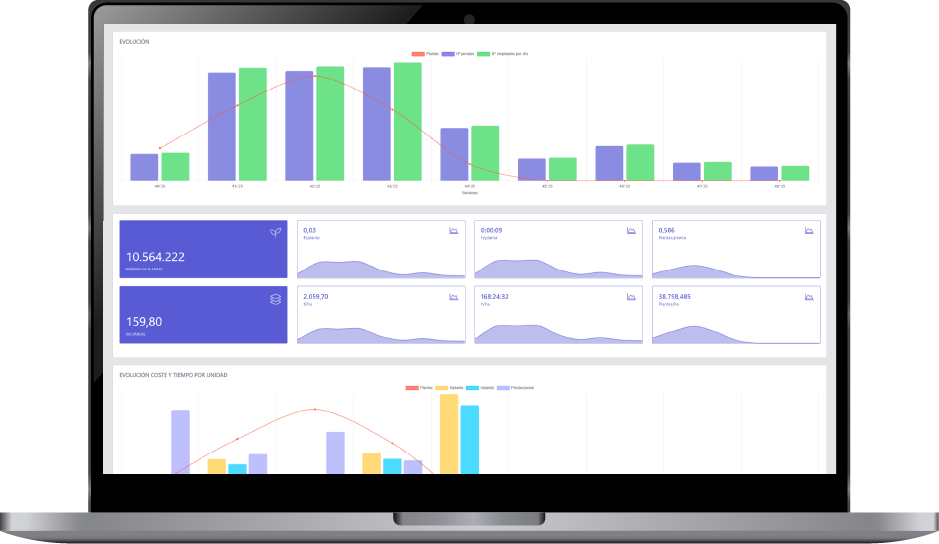
When a business has real-time harvest productivity data — by crew, farm, plot and variety — it can spot problems the same day they happen. When production costs are visible by crop, decisions about where to focus and where to adjust become much more straightforward.
A blueberry producer operating in an international market implemented its agricultural software from the first day of activity. In just one year, I had real-time agricultural productivity data, automated regulatory compliance, and worker discharge processes resolved in minutes. They never knew any other way of working. Digital farming was all they had ever done.
What holds farms back from going digital
“On my farms there is no coverage.” Today's agritech platforms work offline. The data is recorded offline from the field app and is automatically synchronized when the signal is recovered. Poor connectivity is no longer a reason to hold back.
"My team isn't tech-savvy." If a crew supervisor can use WhatsApp, they can use a farming app. The key is choosing a tool built specifically for agriculture — not a generic software adapted to fit.
“It's an expense I can't afford now.” The right question isn't how much farm management software costs, but how much it's costing not to have one. The 600 hours a month spent on manual tasks, the errors in payroll, the lack of control over agricultural costs, the decisions made without data... all of this has a real cost that is rarely calculated.
How farming businesses are changing
TThe agricultural sector is changing fast. Businesses that have already gone digital have better control over their operations, clearer information and more time to focus on what matters. Those still working with paper and spreadsheets are falling further behind with every season.
Going digital doesn't mean pausing operations or rebuilding everything at once. Most businesses begin with what's most urgent — attendance management, payroll integration, harvest tracking, digital field records — and add new areas like costs, inventory, machinery or sustainability as the business grows.
The important thing is to take the first step.
The way farms are managed is changing. See what that looks like for yours.
Request a free demo of Agrogestia and see exactly how it would work for your operation — your crops, your team, your reality.
Other similar items
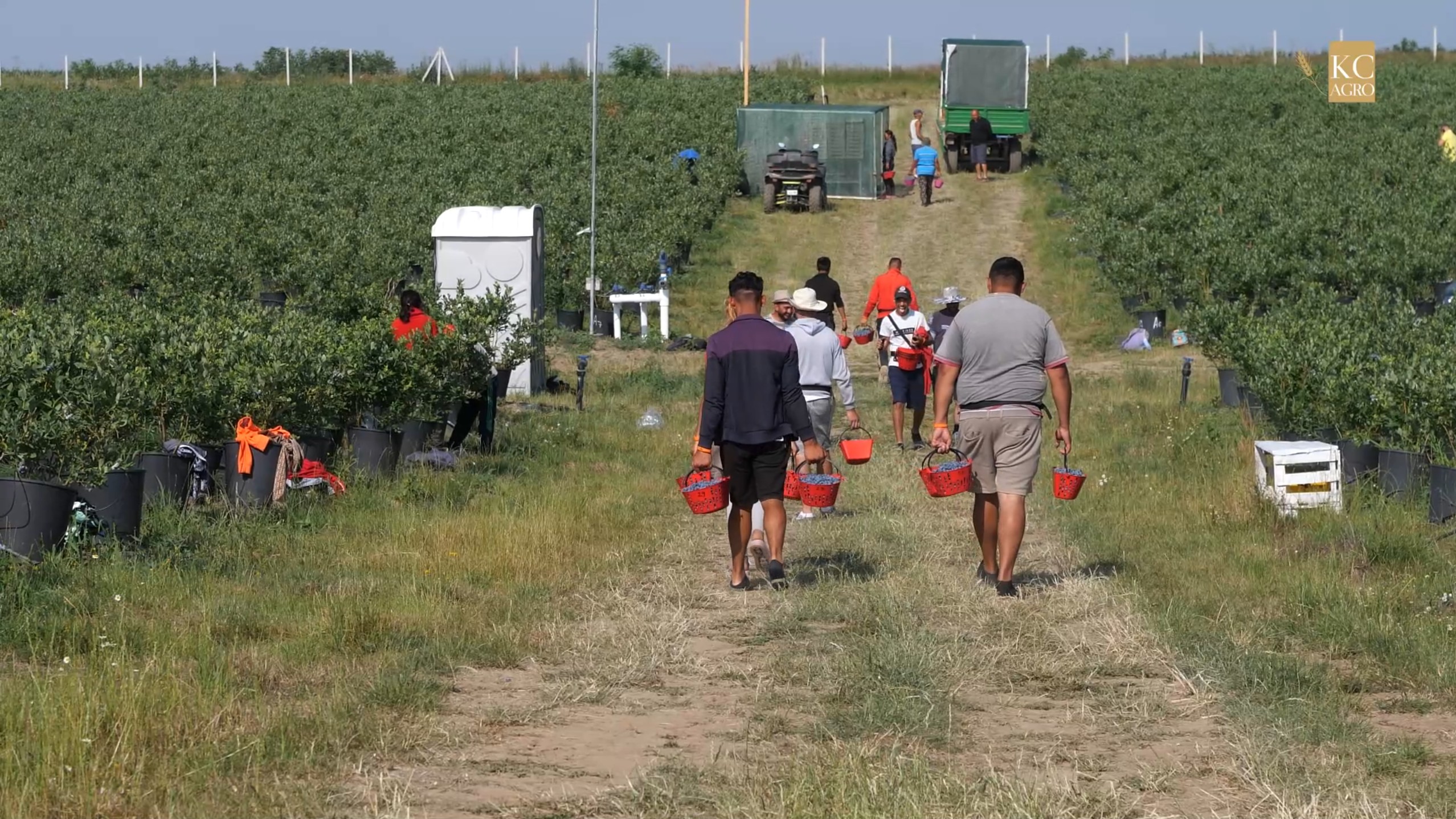
Agricultural digitalization without borders: how two blueberry producers in Romania went 100% digital — managed remotely from Spain
Oltenia Berries and KC Berry, two blueberry producers in Romania, chose Agrogestia to digitalise their farm management. Both discovered the platform at Fruit Attraction and completed the setup 100% remotely from Spain, with the system adapted to Romanian and local labour regulations. Their experience shows that distance is no longer a barrier: what matters is having farm management software that understands the sector and adapts to the reality of each market.