
Agricultural digitalization without borders: how two blueberry producers in Romania went 100% digital — managed remotely from Spain
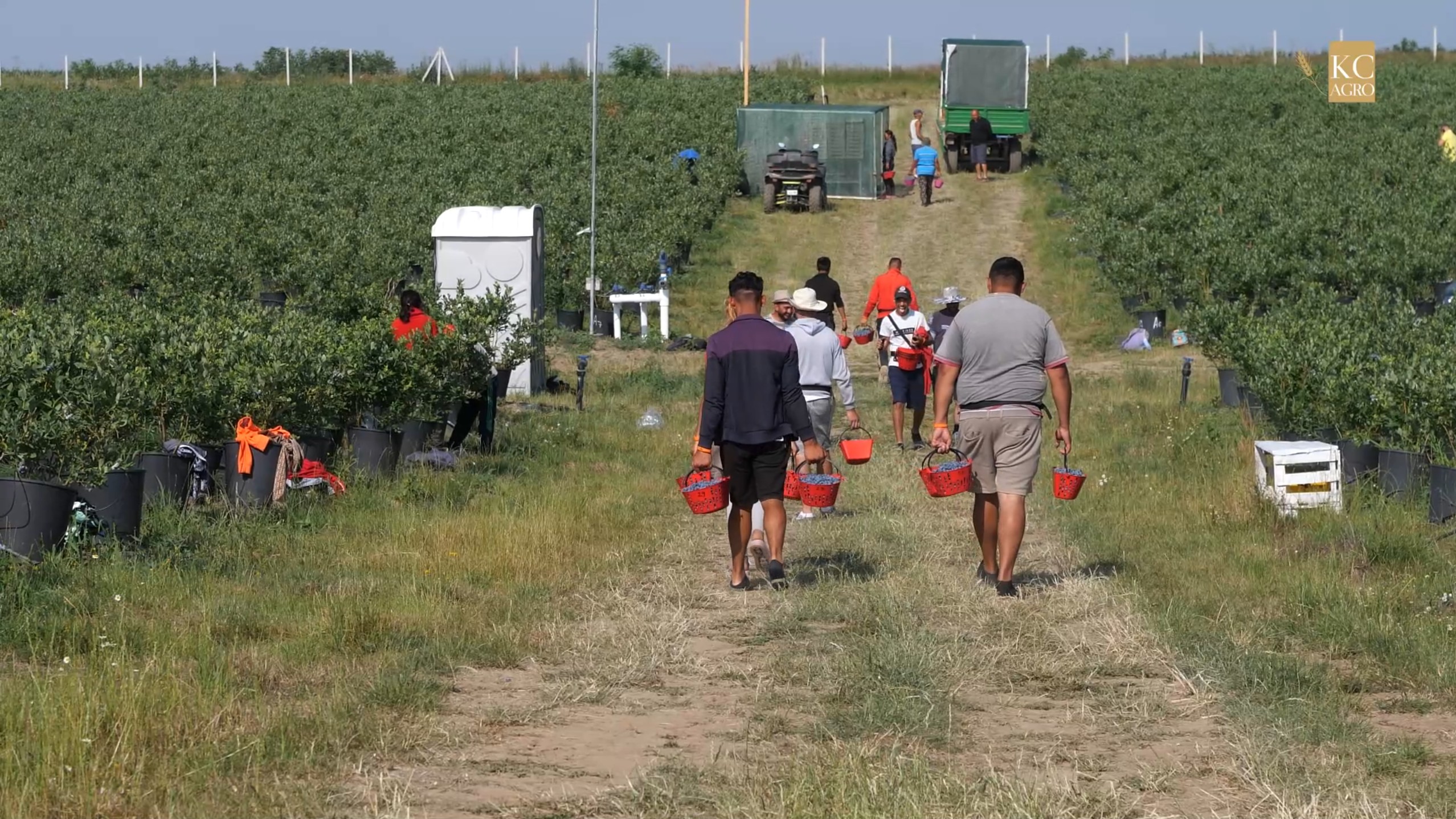
When we think about implementing agricultural management software, we usually imagine a long, face-to-face and complex process. A technical team traveling to the farms, weeks of training on the ground and an agricultural digital transformation that is progressing at the pace of the visits. That image no longer corresponds to reality.
Oltenia Berries and KC Berry, two blueberry producers in Romania, implemented their agricultural management platform 100% remotely from Spain. No travel. No physical presence. And with operating results since the first campaign that it takes many farms years to achieve.
Their experience shows something that the agritech sector needs to hear: agricultural digitalization no longer has geographical, linguistic or regulatory boundaries.
Two companies, the same challenge: managing their farms properly from day one
Most agricultural companies digitalise when growth has already overwhelmed their tools. They have been accumulating manual processes, paper parts and spreadsheets for years, and one day they discover that the volume of workers, farms or crops has exceeded the capacity of their farm management model.
Oltenia Berries and KC Berry chose a different path. Both are blueberry producers in Romania, with a workforce of up to 300 field workers and farms distributed in several locations. Instead of growing first and then organizing, the two decided to build their operating processes on solid agricultural software from the start of their activity.
The challenges they faced were practically identical: they needed accurate collection control to measure agricultural productivity, manage registrations of workers who came directly to the farm the same day, comply with Romanian labor regulations and have reliable data analytics to make operational decisions. All this without a previous system on which to build.
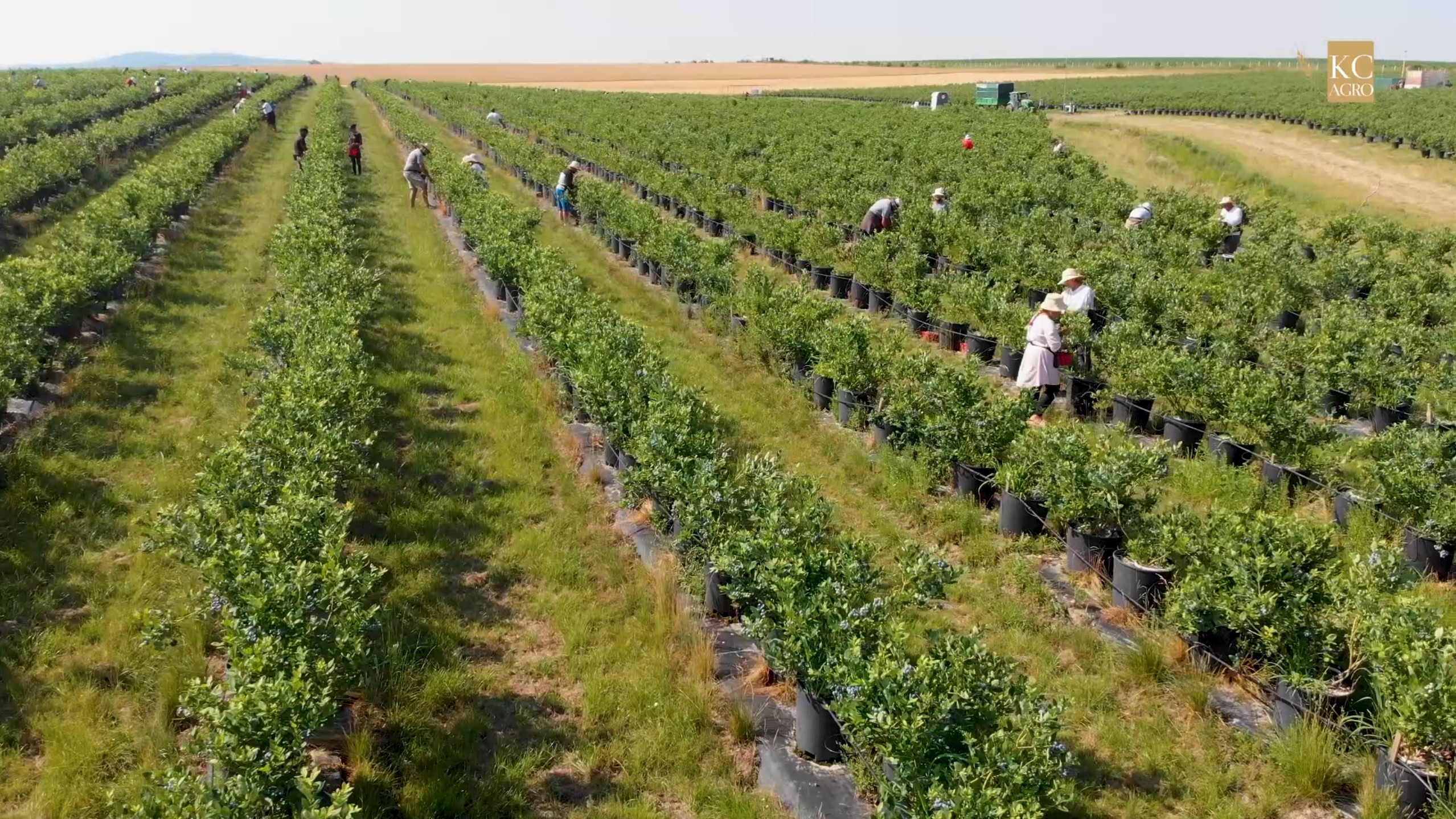
Setting up farm management software 3,000 kilometres away
Oltenia Berries found Agrogestia at Fruit Attraction, the main international fresh produce fair in Madrid. The platform's experience with berry producers in Spain, and its weight-based harvest tracking system, were the deciding factors. KC Berry got in touch before the fair to arrange a meeting and find out more about the platform. In both cases, the starting point was the same: they needed a farm management solution built specifically for berries — something no local provider could offer.
But there was one thing that would have stopped many tech companies: both clients were in Romania. The entire setup had to be done remotely — including training, support and troubleshooting. On top of that, the platform had to work in Romanian, handle Romanian lei and follow local labour law, including specific rules for zilieri (day labourers) and automatic generation of the mandatory worker reporting file for the Romanian Administration.
Both setups were completed entirely from Spain, with no one travelling to Romania. The app and web platform were translated into Romanian, payroll calculations were adjusted to local law, and new features were built specifically for HR management under Romanian regulations — features that didn't exist before.
Digital agriculture: results from the very first season
In just one year, Oltenia Berries had a level of control over their farming operations that most businesses take several seasons to reach. KC Berry got there in a similar timeframe.
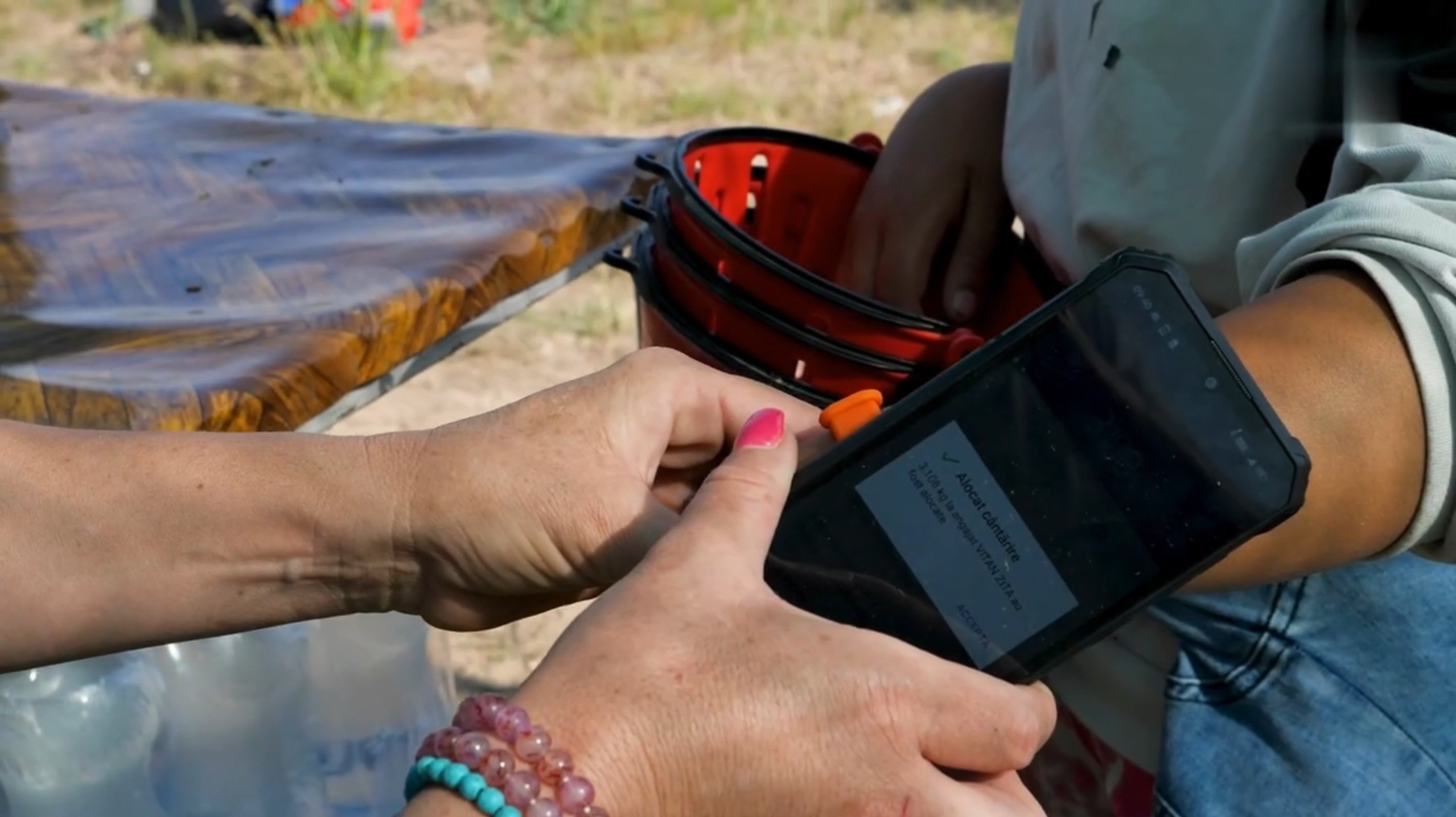
The managers of both companies record all the activity from the field app, including the immediate registration of new workers on the farm by reading the identity document. What used to take a long time — clocking in, recording and assigning tasks to a day laborer who shows up on the same day—is now solved in minutes thanks to the digitization of attendance control.
Management has real-time weight-based harvest data, separated by worker, farm and crop. Regulatory compliance has been fully automated: from wage calculations adapted to Romanian legislation to the generation of the communication file to the Administration, ensuring the traceability of all information. And the offline operation of agricultural software has been essential in farms with limited connectivity, where data is reliably captured and automatically synchronized when the connection is recovered.
A model that works — confirmed by two companies
For a company in Romania to successfully digitalise property management from Spain could be considered an exception. But two companies have done it, with similar profiles and comparable results — and that confirms the model works.
What the cases of Oltenia Berries and KC Berry demonstrate is that agricultural management software doesn't have to be local to be effective. What you need is to understand the peculiarities of the sector—the campaigns, the crews, the collection control, the seasonality of the workforce — and to have the flexibility to adapt to the regulations, language and operational reality of each market.
What does this mean for European farms?
If two blueberry producers in Romania can set up a farm management platform remotely, in their own language, adapted to their regulations and getting results from their very first season — then going digital is much more accessible for any farming business in Europe than most people think.
It is no longer necessary for the agricultural software provider to be in your same province. Nor that the implementation process paralyzes activity for weeks. What matters is that the platform understands your sectoradapts to your reality and guides you through the digitalisation process.
The digital transformation of the field no longer has borders. The only border left is the decision to start.
Is your farm outside Spain?
It doesn't matter where you are. Request a free demo of Agrogestia and discover how our agricultural management software can adapt to your reality.